
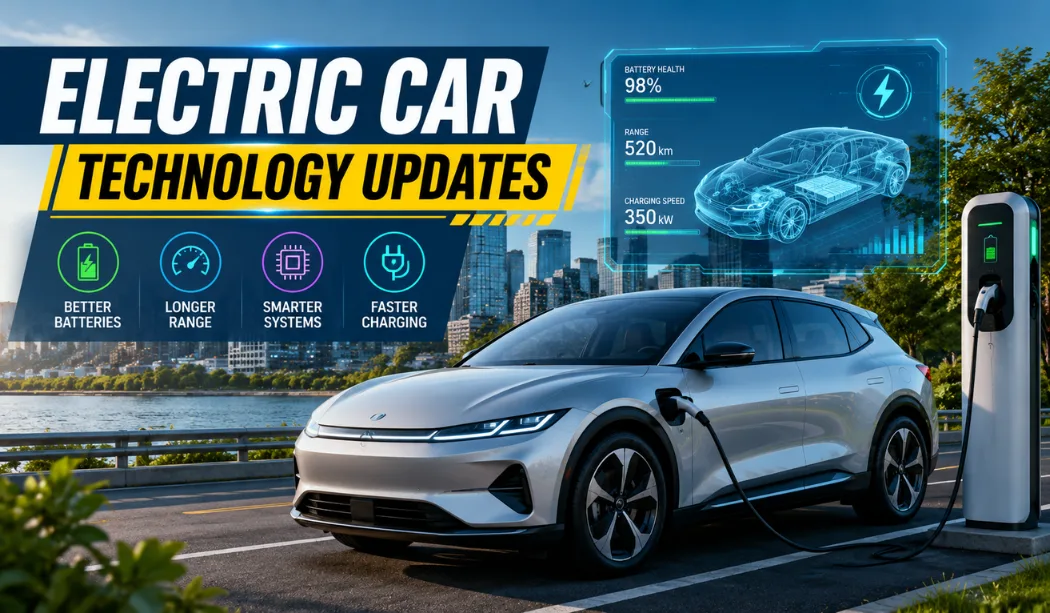
Imagine a vehicle which can go between Delhi to Mumbai in a single charge. Imagine a car which plugs into the socket and refills its fuel tank within the amount of time required to purchase a juice container. It's not an illustration in a comic book. This is precisely what's occurring in the realm of clean automobiles of in the present. Automotive technology is shifting more quickly than ever before. Clean energy is a major factor on the streets, new developments change the way we move. We will look at the fascinating latest electric car technology updates 2026 to discover how innovative minds are constructing the future of clean transportation.
What is the Latest Electric Car Technology in 2026?
The most advanced electric automobiles (EVs) have evolved beyond simply heavy batteries mounted on wheels. They're computers that are able to are able to move. The focus this year is shifting to making cars less heavy, more affordable, as well as extremely smart.
Engineers have come up with new methods to construct the framework of a vehicle. Through the use of massive single-piece casts automobile companies have been able to eliminate thousands of small parts. The result is that the vehicle becomes more light. The lighter the body, the engine doesn't have to be working as hard that saves you much energy.
In the same way, interior design of these vehicles is also changing. The new vehicles have huge digital cockpits which display live maps directly in the drivers' face. They track the flow of traffic and also coordinate with the public grids for energy in order to identify optimal locations to charge.
Why is Solid-State Battery Technology Important?
If you talk to any engineer working on clean cars about the greatest breakthrough of today the answer is only one thing: Solid state battery technology to power electric vehicles. In the past, automobiles utilized chemical batteries that were liquid as do those in your smartphones. However, liquids are susceptible to leakage and become extremely hot and can take quite a while to refill.
The power packs that are solid-state differ as they replace the liquid layer with a material, such as polymer crystal or ceramic. This small change can make an enormous difference in how automobiles operate.
As there's no liquid in them, the pack cannot ignite even in the event that a car is involved into an accident. They also contain greater energy, but in a much smaller area. It allows the carmakers to take off the massive steel safety barriers around the floorboards. This makes the car lighter as well as much more comfortable for guests.
Read also: How to Invest in Future Mobility Car Designs Trends
Top 10 Electric Car Technology Updates
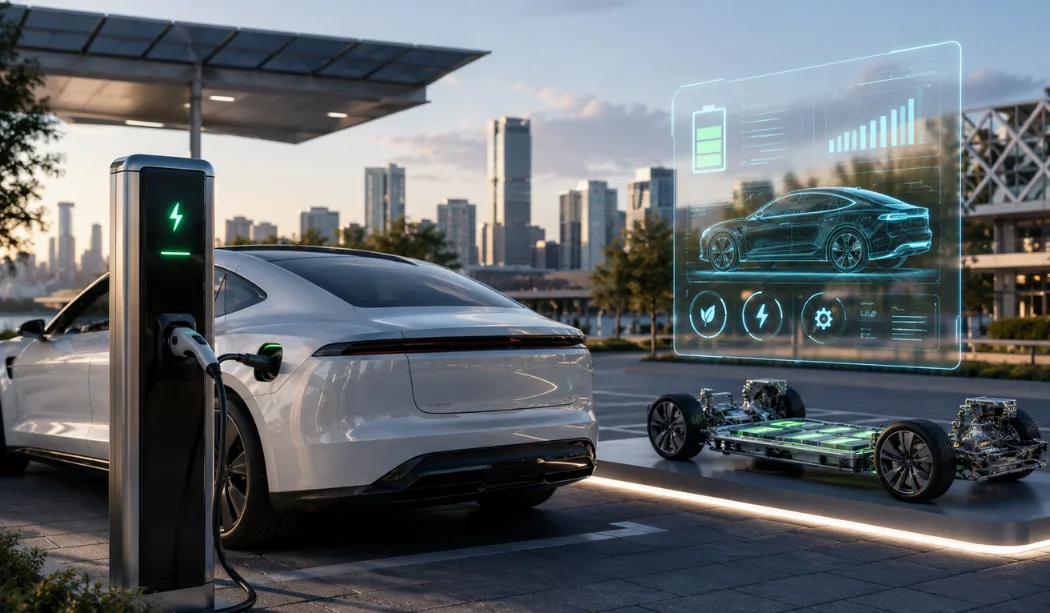
The future of clean mobility is rapidly evolving. This is a listing of the top ten most exciting innovations that are making it onto the road today.
- Super Dense Cell Chemistry The latest enhancements to the energy density of batteries enable cars to drive up to 1000 kilometers in one charge.
- New-Gen Solid Cells Businesses are deploying test fleets that use completely solid-state electric power technology.
- Ultra-fast Power Delivery Roadside plugs that are new can charge a car's battery in less than 10 minutes.
- Air Charger Pads Now you can charge your car with air without connecting any wires.
- AI Power Managers The software is smart and checks the driving patterns of your in order to help your battery last longer.
- Green Pack Recycling Facilities can recycle 90% of metals from the past for the construction of brand new batteries.
- Security Shield for Bulletproof Information Modern digital locks prevent hackers from gaining access to the vehicle's computer.
- Solar Integration Roof panels installed on smaller vehicles now allow for free miles when parking in the sunlight.
- Single-Frame casts: Cars are made with smaller joints of steel, making them more durable and safe.
- The Thermal Control software Innovative liquid cooling technology prevents energy packs from degrading over the summer heat.
The Big Power Race: Next Generation EV Battery Developments
The real heart of an electric vehicle is the battery. In the present, a massive worldwide race is underway in order to develop the most efficient energy source. We will look at two significant updates that are leading the way.
Breaking Records with Battery Energy Density Improvements
In the past, putting an engine was a matter of adding weight. This isn't the case anymore. Because of new batteries for electric vehicles Scientists have been mixing silicon, high-nickel and other blends to the cells that power them. It allows the cells to give more energy without getting any bigger. This is similar to cramming the entire week's worth of food in a small bag!
The Power of Solid State Battery Technology for Electric Cars
There is no discussion of the future without talking about security. The standard lithium-ion batteries may fail in the event of a puncture. But solid packs remain stable under extreme pressure.
"We are finally seeing solid-state materials move out of laboratories and onto real factory floors. The structural safety benefits alone change how we design vehicle frames." -- Dr. Arlan Vance, Senior Battery Materials Researcher
Charging Reimagined: Wireless Charging Technology for Electric Cars
Imagine not needing to carry an unwieldy, filthy charging cables again during the torrential rain. This future is fast approaching thanks to wireless charging technology that is being developed for electric automobiles. This technology uses magnetic induction pads that sit directly on the surface. If you park your car on the pads, it releases energy directly into the car's floor. The cities are testing the magnets at taxi stand as well as bus stops. These pads allow commercial vehicles to replenish their power when waiting for customers.
How Does Fast Charging Technology Work?
To comprehend how quickly charging can be, consider your battery in the form of a sponge. When it isn't wet it is able to absorb the water quickly. However, as it fills up the sponge must be poured the water slowly so that it doesn't spill. The high-power plants pump huge quantities in direct current (DC) power into your vehicle in the beginning minutes. That's why vehicles could go from a 10 percent to 80% electricity in just a couple of seconds.
Battery Swapping vs Fast Charging Technology
There's an ongoing discussion going on about the most effective method to start moving during long journeys. Are you waiting to see if you can get a faster plug or swap out your entire battery?
- Fast Plugs The car is parked for between 10 and 15 minutes as the high-power cables occupy your existing pack. The process is simple and compatible on almost every vehicle model.
- Robot Swapping The driver drives up an incline that is designed for mechanical use. Robotic arms remove your empty battery pack, and then slides through a fully charged battery within three minutes.
Robot swapping can be incredibly rapid, it demands all car companies to have exactly the same size battery. This is why fast batteries remain the top option in the world.
Smart Brains: AI Technology in Electric Vehicles
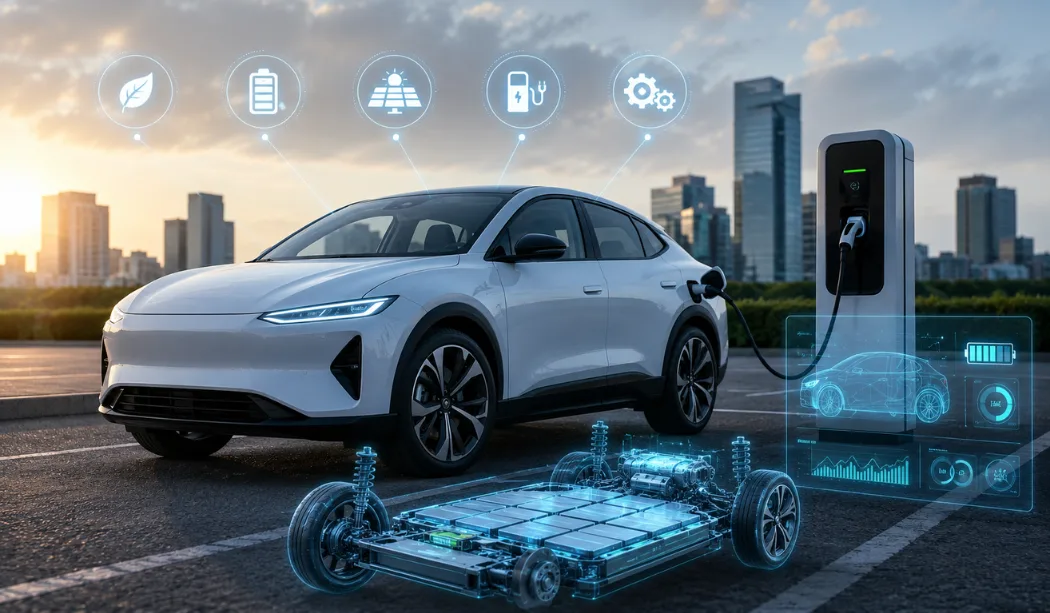
Modern cars make use of artificial intelligence (AI) to anticipate the future. Modern AI technology used in electric cars functions as a copilot who watches all the machines. The intelligent software monitors how much you push your pedals and monitors the weather conditions outside. When it senses the weather forecast is cold it will pre-heat the battery cell to ensure that the vehicle doesn't reduce its driving distance. AI can also handle the maintenance of predictively, and sends an alert to your mobile prior to the moment a component of your vehicle fails.
Read also: 2026 Electric Car Range Improvement News: 1,500 KM Breakthroughs
Clean Engineering: EV Battery Recycling Technology Innovations
What happens if an electric vehicle gets old to be driven? People in the past were worried that car batteries could end up in landfills. However, recent technologies for recycling batteries from electric vehicles advancements solve this problem.
Specially-designed recycling plants utilize water-based methods to remove precious metals such as lithium nickel, cobalt and cobalt from older batteries. The process permits engineers to cleanse these metals and then use them in the construction of new batteries. The circular loop helps keep the surroundings clean, and also drives lower the cost of brand new vehicles.
Electric Car Technology Updates Tesla
In the field of mass-producing intelligent cars, Tesla continues to push the limits of production. Recent technological advancements in electric cars that Tesla brings to market are heavily focused on battery structures.
Instead of putting the battery in the frame of a car, Tesla created the battery to turn into the frame's center. This innovative technique removes unnecessary structural weight and allows for the car to make tight turns and incredibly stable.
Securing the Grid: Electric Vehicle Cybersecurity Technology
Since new vehicles connect with the internet in order to download new software versions, the vehicles must have high-end digital security. This is the point where the technology of cybersecurity for electric vehicles is used. The car makers are installing isolated computers inside their vehicles. That means that the display playing the music you love cannot speak to the computer that controls the wheel and brakes. Digital walls make sure that there is no threat online that could affect your safety while driving.
Choosing the Future: Electric Cars vs Hybrid Cars Technology
Some drivers ask whether they should purchase the first car that's completely electric or go for an alternative hybrid. The reason for this is the mechanical parts within.
| Feature | Hybrid Car Technology | Full Electric Technology |
|---|---|---|
| Engine Type | Gas Engine + Small Electric Motor | Electric Motor Only |
| Tailpipe Smoke | Yes (When gas engine runs) | None (Zero Emissions) |
| Maintenance | Needs oil adjustments as well as tune-ups | Absolutely no oil, only a few moving components |
| Best For | Users who do not have home power outlets | Daily commuters looking for affordable prices |
Although hybrid vehicles are a great way to start and full electric vehicles offer the most peaceful ride, and will have the lowest cost of money in running the course of.
Frequently Asked Questions
What is the biggest issue with electric cars today?
The most difficult task is to build adequate fast-charging stations in roads that are rural so that drivers are comfortable with long drives without anxiety.
Can an electric car battery be recycled completely?
Yes! Recycling systems that are modern can salvage more than 90% of the value elements in a pack, enabling the creation of fresh batteries.
Do electric cars break down often?
No. Electric cars do not come with complicated components like pistons, spark plugs or oil pumps. That is why they need far less maintenance visits to repair shops than gasoline automobiles.
How long does a modern EV battery pack last?
Modern cooling programs the batteries in modern vehicles are built to last from 300,000 and 500,000 miles before they require replacement.
Can rain or water damage an electric car plug?
Not at all. The car and charging ports are fully waterproofed and shielded to keep you secure even during torrential storms.