
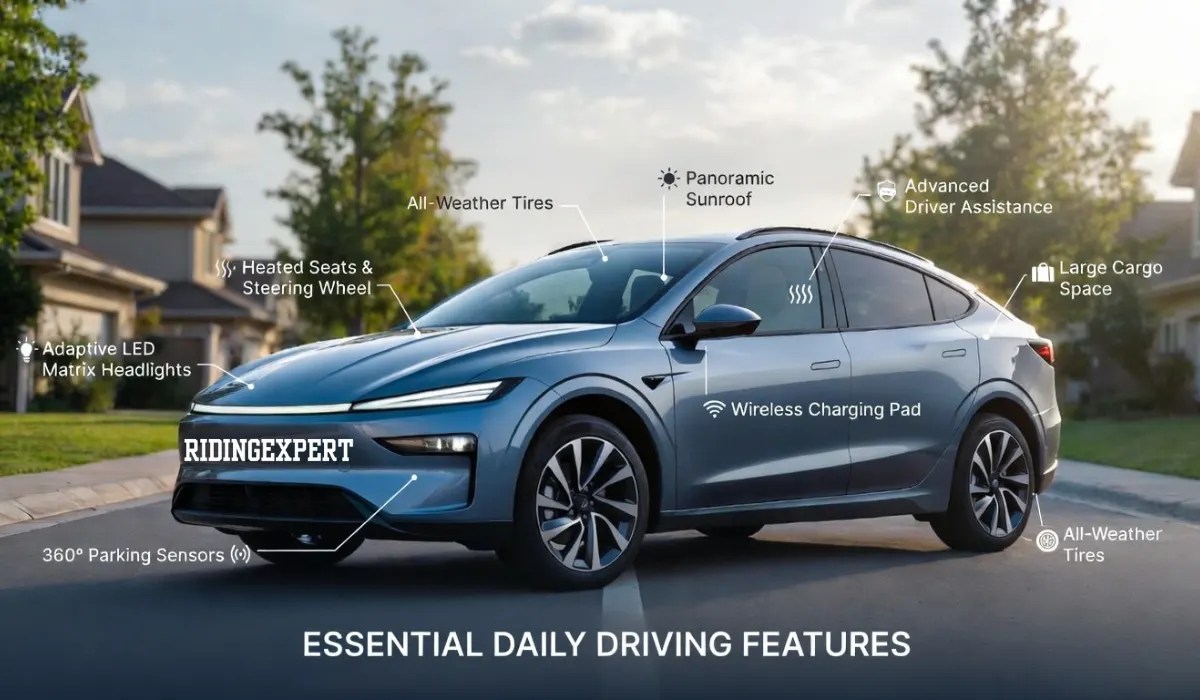
Getting behind the wheel in 2026 feels different. Whether you’re navigating the dense morning sprawl of Los Angeles or the fast-moving interchanges of Atlanta, the "daily drive" has evolved from a simple mechanical task into a high-stakes tech experience. With 2026 models like the Toyota Camry Hybrid and Hyundai Ioniq 9 setting new benchmarks for the IIHS Top Safety Pick+ award, the bar for what is "essential" has officially been raised.
Choosing a car today isn't just about the engine; it's about the sensors. If your vehicle doesn't have a "digital safety net," you're not just driving an old car—you're missing out on features that actively reduce driver fatigue and prevent insurance-spiking fender benders.
What is the New Standard for Essential Car Features?
In 2026, "essential" features are defined by Advanced Driver Assistance Systems (ADAS) and seamless digital integration. Unlike the luxury-only tech of the early 2020s, features like Automatic Emergency Braking (AEB) with night-time pedestrian detection are now non-negotiable for any daily driver.
2. Why is Essential Car Features For Daily Driving Important Right Now?
The NHTSA has recently updated its safety ratings to emphasize real-world crash avoidance rather than just crash survival. With traffic density at an all-time high, these features act as a "second set of eyes." For beginners, they bridge the gap in experience; for veterans, they compensate for the inevitable moments of distraction that occur during a 40-minute commute.
Read also: Top 10 Safety Features in Cars You Must Check Before Buying
Top 10 Safety Features in Cars for Daily Driving
Based on the latest 2026 safety standards, these are the features that provide the highest "Return on Investment" for your safety:
- Level 2+ ADAS (Highway Assist): Systems like Ford’s BlueCruise or GM’s Super Cruise that handle centering and distance on highways.
- Night-Vision Pedestrian Detection: A 2026 priority, helping you see walkers and cyclists in low-light conditions before your headlights hit them.
- Blind Spot Collision-Avoidance: It doesn't just warn you; it can gently steer you back if you attempt a dangerous lane change.
- Rear Cross-Traffic Braking: Vital for backing out of driveways into busy suburban streets.
- Adaptive Cruise Control with Stop-and-Go: Essential for stop-and-go traffic; the car handles the "creep" so your leg doesn't have to.
- Surround-View (360°) Cameras: Now utilizing AI-stitching to remove "blind spots" entirely during parking.
- Driver Monitoring Systems: Sensors that detect drowsiness or medical emergencies and can safely pull the car over.
- Automatic High Beams: Optimized to "matrix" out oncoming cars so you never blind others while keeping your path bright.
- V2X Communication: Allowing your car to "talk" to traffic lights and other cars to warn of hidden hazards.
- Pre-Collision Throttle Management: Prevents "pedal misapplication" (accidental acceleration) when an obstacle is detected.
How Modern Tech Makes Daily Driving Easier
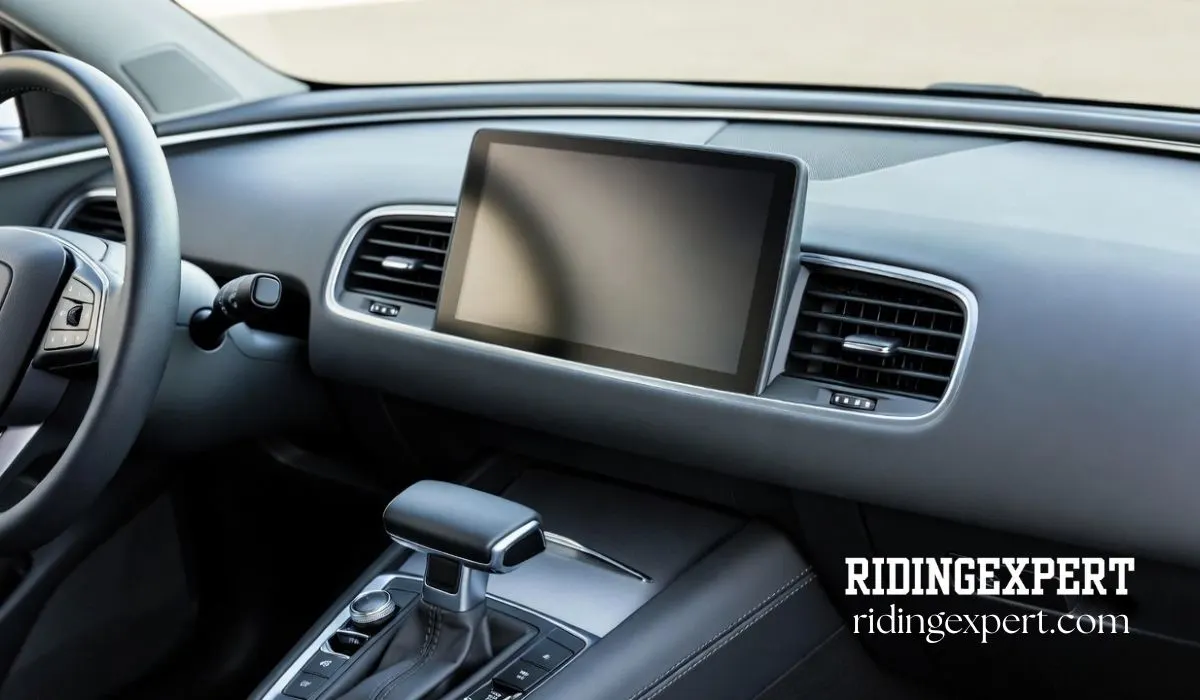
The Rise of the Digital Cockpit
A "human-centric" design is the soul of a 2026 daily driver. Wireless Smartphone Integration (Apple CarPlay/Android Auto) is no longer a perk—it is the primary interface. By mirroring your phone, it reduces the "cognitive load" of learning a new system, allowing you to focus on the road.
Real-World Utility: The "Rainy Night" Test
Imagine driving home in a heavy downpour. A car equipped with Rear Wipers, Washers, and Defoggers—combined with Radar-based Lane Keep Assist—turns a high-anxiety situation into a manageable one. These aren't "luxury" features; they are functional necessities for the American climate.
Common Mistakes and Myths
- The "Too Much Tech" Myth: Many believe more tech means more distraction. The Reality: When implemented correctly (like via a Heads-Up Display), tech keeps your eyes on the road, not the center screen.
- The "Manual is Safer" Mistake: Some beginners think manual cars provide "more control." The Reality: Modern 8-speed automatics and CVTs are faster, more fuel-efficient, and allow you to keep both hands on the wheel in emergencies.
Read also: Luxury Cars With Advanced Safety Features: Top Safe Premium Vehicles
Expert Insights: The 2026 Verdict
"We are seeing a shift where 4D Imaging Radar is bringing premium safety to budget cars. You no longer need to spend $60,000 to get a 5-star safety rating. Even a base-model 2026 hatchback now has better 'vision' than a luxury SUV from 2020." — Automotive Safety Analyst
Pros and Cons of Advanced Car Features
| Feature Category | Pros | Cons |
| Active Safety (ADAS) | Reduces accidents by up to 45%; lowers insurance premiums. | Can be sensitive in snow/heavy mud; costly to repair sensors. |
| Comfort (Heated/Ventilated) | Prevents driver fatigue; increases comfort in extreme climates. | Drains battery slightly; adds initial purchase cost. |
| Connectivity (CarPlay/AI) | Intuitive voice controls; real-time traffic updates. | Requires a compatible smartphone; privacy concerns with data. |
FAQs
What are the must-have safety features in modern cars?
The top must-haves are Automatic Emergency Braking, Blind Spot Monitoring, and Lane Keeping Assist.
Are advanced car features worth it for beginners?
Yes, features like 360-degree cameras and parking sensors significantly reduce the risk of low-speed accidents for new drivers.
Which 2026 cars have the best safety ratings?
The 2026 Toyota Camry, Honda Accord, and Tesla Model Y are currently top-rated by the IIHS and NHTSA.
Final Verdict
For the 2026 buyer, the best car isn't the fastest or the flashiest—it's the most "perceptive." Prioritize a vehicle that offers standardized ADAS, excellent night-time visibility, and intuitive digital controls. If you're a beginner, look for a compact SUV like the Toyota Corolla Cross for that extra visibility. If you're a commuter, the Camry Hybrid offers the perfect blend of safety and fuel savings.