
The "long wait" for a charge is officially over. In 2026, EV technology has reached parity with gas vehicles, offering seamless integration into daily life. Whether you are grabbing a quick coffee at a highway "Super Hub" or sleeping soundly at home, your car is quietly gaining range without the need for a detour.
Understanding the clock is the final step in mastering your EV. Today’s technology offers more choices than ever—from budget-friendly slow chargers to ultra-rapid "Flash Charging" systems. This guide removes the guesswork, ensuring you always know exactly when you'll be back on the road.
What is Electric Car Charging Time Comparison?
An electric car charging time comparison is a data-driven analysis of how quickly different power sources replenish an EV battery. It measures the "miles per minute" of charging, typically focusing on the 10% to 80% capacity window—the industry standard for long-distance travel.
The comparison hinges on three variables: the charger’s power output (kW), the vehicle’s maximum intake rate, and the battery’s voltage architecture. In 2026, the transition from 400V to 800V systems has effectively halved waiting times for most new models.
Why is Electric Car Charging Time Comparison Important Right Now?
In 2026, the USA has deployed massive 350kW+ ultra-fast corridors. However, using a 400kW charger with a car only capable of 50kW intake is a waste of money. Without a comparison, you might pay a premium for "Ultra-Fast" service that your car’s hardware cannot process.
Additionally, AI-driven energy management is now standard. Knowing your car’s charging profile allows you to take advantage of "Plug & Charge" tech and dynamic pricing, where charging during off-peak hours can save you up to 50% on fuel costs.
Read also: Electric Car Ranges Comparison: Best EV Range by Model
Key Benefits of Comparing Charging Times
- Financial Efficiency: Avoid paying "Rapid" rates for "Slower" hardware compatibility.
- Trip Certainty: Plan highway stops around 15-minute breaks rather than hour-long waits.
- Battery Longevity: Use optimized Level 2 charging for daily needs to minimize thermal stress on battery cells.
- Market Insight: Identify which 2026 models (like the Mahindra XEV 9e or BYD Sealion 7) offer the best "miles per minute" value.
How it Works: The 2026 Charging Formula
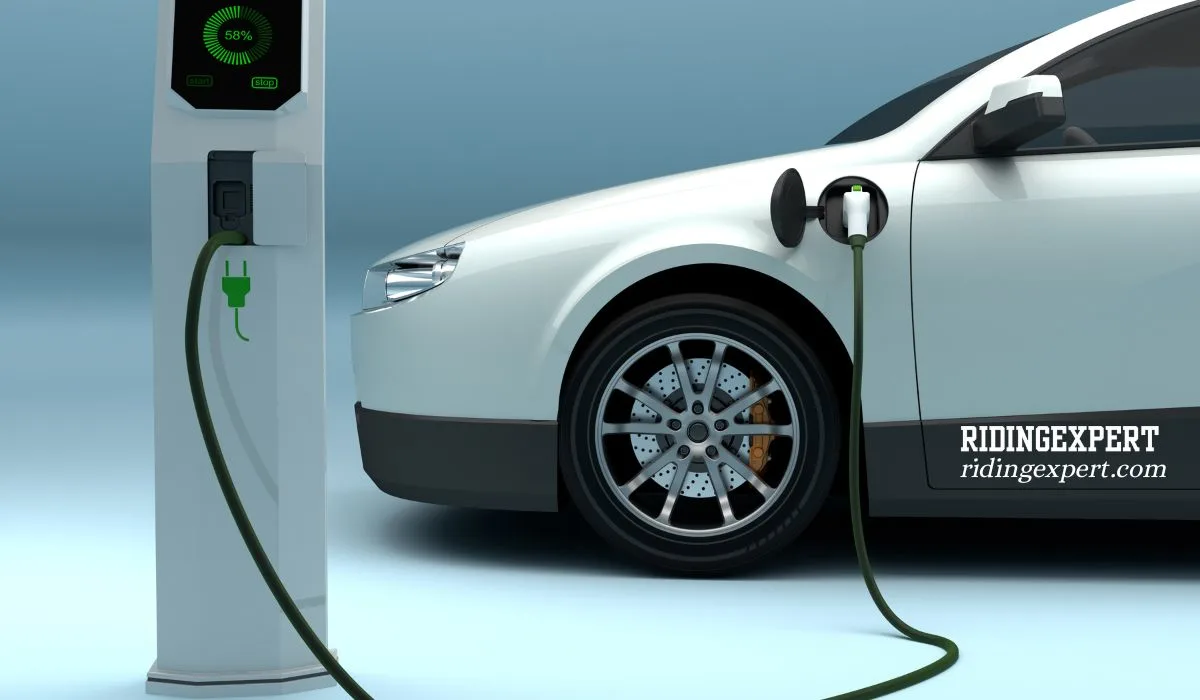
To estimate your wait, use the basic formula: Charge Needed (kWh) ÷ (Charger Power (kW) × 0.9 Efficiency) = Hours. In 2026, the most accurate metric is "Miles Added in 10 Minutes." While Level 1 adds ~1 mile, Level 3 "Ultra-Rapid" chargers now add 150–200 miles in that same window. Note: charging speed drops significantly after 80% to protect the battery’s chemistry.
Real-World Examples: 2026 Performance Data
|
Vehicle Model (2026) |
Charger Type |
10% to 80% Time |
Miles Added in 10 Mins |
|
Kia EV6 / EV9 |
350kW DC Fast |
18 - 24 Minutes |
~200 Miles |
|
Mahindra XEV 9e |
228kW DC Fast |
20 Minutes |
~160 Miles |
|
BYD Sealion 7 |
308kW DC Fast |
24 Minutes |
~180 Miles |
|
Tesla Model 3 / S |
V4 Supercharger |
15 Minutes |
~175 Miles |
Common Mistakes or Myths
Myth: "Fast charging always damages the battery."
Fact: 2026 thermal management systems are so advanced that daily fast charging has a negligible impact on battery health compared to 2020-era models.
Mistake: "Charging to 100% every time."
Fact: The last 20% of a charge takes as long as the first 80%. Unplugging at 80% saves you time and leaves room for regenerative braking.
Expert Insights: AI & Infrastructure
Industry reports from 2026 show that AI-enabled Smart Charging has reduced grid congestion by 6% globally. This technology allows your car to "talk" to the grid, automatically charging when renewable energy is at its peak and costs are lowest.
Trusted data from the IEA confirms that while public stations get the headlines, 92% of all charging still happens at home. The "slow" charger in your garage remains the most reliable and cost-effective way to fuel your life.
Who Should Consider This?
- Commuters: Anyone driving 30+ miles daily needs to compare Level 2 home installation costs.
- Budget Shoppers: Look for "800V architecture" in mid-range cars for the best future-proofing.
- Business Fleets: Use speed comparisons to minimize "dwell time" for delivery vans and service vehicles.
Pros and Cons
Pros:
- Speed: 2026 tech adds hundreds of miles in under 10 minutes.
- Cost: Home charging at ~$0.18/kWh is 3x cheaper than gasoline.
- Convenience: Plug-and-Charge eliminates the need for multiple apps.
Cons:
- Price Variation: DC Fast charging can cost up to $0.60/kWh during peak demand.
- Weather: Extreme cold still adds roughly 20-30% to public charging times.
- Hardware: Older 400V cars charge slower on 800V-optimized stations.
FAQs
How long does it take to charge an electric car at a charging station?
In 2026, most new EVs take 15 to 25 minutes to reach an 80% charge at a 350kW fast-charging station.
Which EV has the fastest charging time in 2026?
The Lotus Emeya and BYD Han L currently lead, with the ability to reach 80% in under 15 minutes using ultra-rapid infrastructure.
Can I use a Tesla Supercharger with any electric car?
Yes, in 2026, most major brands have adopted the NACS port, allowing universal access to the Supercharger network.
Final Verdict
The electric car charging time comparison for 2026 proves that the gap between electric and gas convenience has vanished. With 15-minute highway stops and cheap overnight home charging, EVs are the most efficient choice for modern drivers. Priority should be given to 800V models for road-trippers and Level 2 home wallboxes for daily savings.